Event rubbish collection Weald Country Park Brentwood
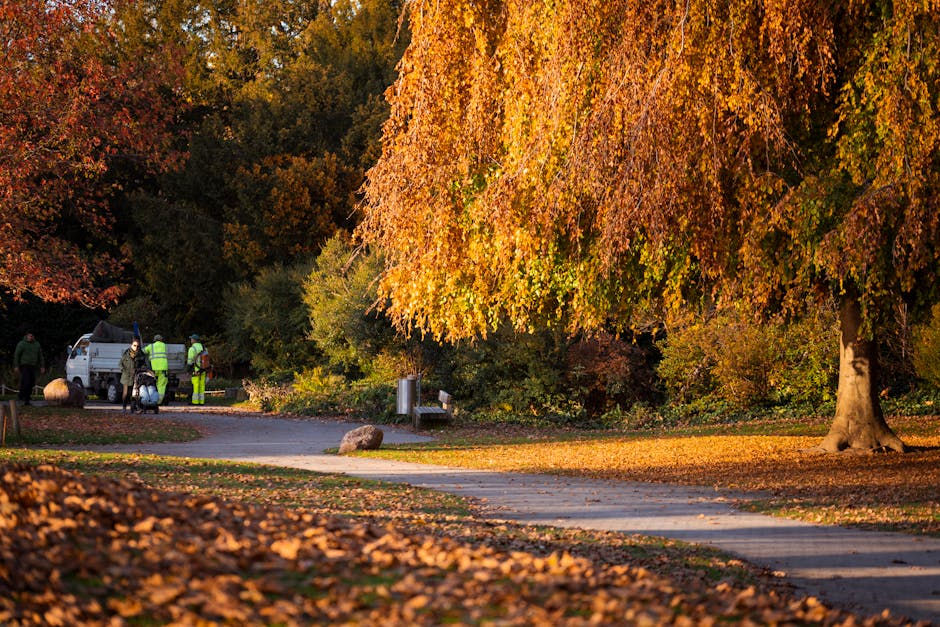
If you are planning an outdoor event at Weald Country Park in Brentwood, rubbish can become a bigger issue than most people expect. A cheerful afternoon with food stalls, family picnics, a charity run, or a community gathering can leave behind a surprisingly awkward amount of packaging, cups, food waste, broken gazebos, and general litter. That is where Event rubbish collection Weald Country Park Brentwood becomes genuinely useful: it keeps the site clear, the experience better for visitors, and the tidy-up far less stressful for the organiser. To be fair, the clean-up is often the part people underestimate until the bins are overflowing and the volunteers are looking tired.
This guide breaks down how event waste handling works, who needs it, what to plan for, and how to avoid the common mistakes that cause delays, complaints, or unnecessary mess. If you want a practical, local-first overview rather than vague advice, you are in the right place.
Why Event rubbish collection Weald Country Park Brentwood Matters
Events at a park have their own waste pattern. You are not just dealing with one type of rubbish, and you are certainly not dealing with it in one place. A food-and-drink area creates cups, napkins, trays, bottles, and leftover food. A performance space creates ticket stubs, signage, cable packaging, and crew waste. A family day creates everything from sandwich wrappers to pram-sized snack disasters. Real life, basically.
At a place like Weald Country Park, the environment matters as much as the event itself. Visitors notice when litter is under control. They notice when bins are full too, especially if the wind starts moving lightweight waste across grass or paths. And the event team notices when the clean-up drags on after the last guest has gone home. A good rubbish collection plan helps you stay organised from the beginning rather than trying to rescue the site at the end.
There is also the simple matter of reputation. A tidy event feels more professional. Even a small community gathering looks more considered when waste is managed properly, recycling is separated where sensible, and end-of-day rubbish does not sit around attracting birds or making the site look tired. That perception sticks, sometimes more than the programme itself.
Expert summary: event waste is easiest to manage when you plan for it before the first gazebo goes up. A clear collection schedule, the right containers, and a final sweep can save time, reduce stress, and protect the venue.
For organisers that already handle venue logistics, it can help to think of rubbish collection as part of the event infrastructure, much like lighting, signage, or first aid cover. It is not glamorous. It just makes everything else work better.
How Event rubbish collection Weald Country Park Brentwood Works
Most event rubbish collection services follow a simple structure, but the details matter. The provider usually begins with a quick look at the size of the event, expected footfall, waste type, access points, and how long the clean-up window is likely to be. That assessment shapes how many collections are needed and what kind of equipment or labour should be planned.
At a venue like Weald Country Park, access and timing are often just as important as volume. If waste needs to be removed without blocking public areas or damaging grassed sections, the collection plan needs to account for that. The same goes for events with staggered arrival times, food service windows, or late finishes. You do not want waste teams arriving at the exact moment guests are still leaving. Nobody enjoys that sort of shuffle.
In practical terms, event rubbish collection often includes some mix of the following:
- delivery of bins, bags, or waste containers before the event
- mid-event bin emptying or collections for busy periods
- segregation of recyclable materials where possible
- post-event clean-up and final removal
- safe handling of bulky items such as broken furniture, staging waste, or damaged displays
The best setups also build in a final walk-through. That last sweep matters more than people think. It catches the odd items that always seem to appear after the crowd moves on: tape, cable ties, food crates, sandwich boxes, and the one bin bag that somehow slid behind a hedge. Annoying? Yes. Common? Absolutely.
If your event also produces larger mixed waste, it may be useful to look at broader waste removal support or, for heavier debris after temporary structures or site build-outs, builders waste clearance. Those services can be helpful when an event is more than just tables and a stage.
Key Benefits and Practical Advantages
The biggest benefit is obvious: the site stays cleaner. But the real value goes deeper than that. Good event waste management reduces friction for everyone involved, from visitors to stewards to the people who have to hand the venue back in decent condition.
- Faster pack-down: when bins are placed well and collections are scheduled properly, the end-of-event tidy is quicker and calmer.
- Better visitor experience: guests notice clean ground, clear routes, and bins that are easy to find.
- Lower safety risk: loose rubbish can create slip hazards, attract insects, or block access paths.
- Cleaner recycling: separating drink containers, cardboard, and general waste can improve the practical recycling outcome.
- Less pressure on staff and volunteers: not everyone wants to spend an hour hunting down plastic cups in the dark.
There is also a trust factor. If your event is community-facing, clean-up quality says something about how carefully the event was run. It tells people you paid attention to the details. And in Brentwood, where local events often rely on good word of mouth, that matters more than some organisers admit.
Another useful advantage is predictability. When rubbish collection is planned properly, you are less likely to face surprise costs, last-minute panic, or awkward conversations about who is responsible for the mess left behind. That alone can be worth the planning effort.
Who This Is For and When It Makes Sense
Event rubbish collection Weald Country Park Brentwood makes sense for anyone responsible for waste after a planned gathering at or near the park. That includes public events, private functions, community days, seasonal fairs, school-linked activities, sports meet-ups, and commercial pop-ups. If your event involves more than a handful of bins, you should already be thinking about collection.
Typical organisers include:
- event planners and coordinators
- charities running fundraising events
- food and drink vendors
- sports clubs and activity organisers
- schools, PTAs, and parent groups
- local businesses hosting promotional events
- marquee and temporary structure teams
It also makes sense when the waste is mixed or awkward. For example, if you have cardboard from deliveries, food waste from catering, and bulky leftovers from a temporary set-up, a single skip or one-off collection may be too blunt. You may need a more thoughtful split between general rubbish, recycling, and heavier materials.
One overlooked scenario is the "small event that grows legs". A modest family day can suddenly end up with double the footfall. Or the weather turns, people stay longer under shelter, and waste builds faster than planned. If that sounds familiar, you are not alone. Events have a habit of doing their own thing.
For organisers balancing several site tasks, it can help to review related support such as business waste removal for ongoing operations or office clearance if you are clearing admin equipment, marketing materials, or temporary indoor storage after an event. Not every event problem is a park problem.
Step-by-Step Guidance
If you want a reliable event tidy-up, the process is best handled in stages. A rushed end-of-day sweep can work for very small events, but anything larger deserves a proper plan.
- Estimate the waste profile. Think about guest numbers, food service, drinks, packaging, printed materials, and any temporary structures.
- Map the site. Identify entrances, exits, food zones, seating areas, and the quickest access route for collection teams.
- Choose collection points. Bins should be visible, sensible, and placed where people naturally drop waste. If they are hidden, people will ignore them. Human nature, really.
- Separate waste streams where possible. Recyclables, food waste, and general rubbish should not be thrown together if you want a cleaner outcome.
- Plan mid-event emptying. Busy events need more than a single final collection.
- Allow for bulky or awkward items. Tables, broken signage, display materials, and packaging crates often need special handling.
- Schedule the final sweep. Leave time for a last walk-around before the site is handed back.
- Confirm disposal details. Make sure the waste is being processed in a responsible way, with recycling where feasible.
A simple tip: walk the route a few days before the event, if possible. You will spot things on site that do not show up on a plan. A tight bend, a muddy patch after rain, a narrow gate, or a place where bins would simply get in the way. That little bit of pre-checking saves headaches later.
For event teams that also need practical item disposal, the site's furniture clearance and furniture disposal pages may be useful when chairs, tables, or display furniture need removing after the event.
Expert Tips for Better Results
In our experience, the best event clean-ups are the boring ones. Not boring to run, just boring in the sense that nothing surprises anybody. The rubbish is where it should be, the final collection is on time, and nobody is improvising with half-full bags at sunset.
Here are a few habits that make a real difference:
- Use more bins than you think you need. People will walk past one overflowing bin to reach a cleaner one. Every time.
- Put bins where the waste is created. Near catering, near seating, near exits. Not all together in one forgotten corner.
- Keep bags and liners consistent. Mixed sizes cause delays and awkward filling.
- Assign someone to monitor hotspots. A quick check of the food court every 20 to 30 minutes can prevent a mess from spreading.
- Leave room for the collection team to move. Access matters. A clean site with blocked access is still a problem.
- Choose recyclable packaging where practical. It makes sorting easier and often looks better for guests too.
A small but useful habit is to have one person responsible for waste decisions on the day. Not to micromanage everything. Just to answer questions quickly. That stops the classic "who was meant to deal with this?" moment, which somehow always arrives at the worst possible time.
If your event includes heavier waste or mixed outdoor debris, it can also be worth checking the company's recycling and sustainability approach and, for peace of mind, its insurance and safety information. Those details are not exciting, but they are the kind of details you want sorted before the event starts.
Common Mistakes to Avoid
The most common mistake is assuming "we will sort it at the end". That sounds fine until the event is over, volunteers are tired, and the site is full of small rubbish that has somehow spread everywhere. Tidy-up work always takes longer when the waste has not been managed during the event itself.
Other common issues include:
- Underestimating waste volume. Food-and-drink events create more rubbish than most organisers predict.
- Using the wrong container size. Too small and you overflow. Too large and you waste space or money.
- Mixing recyclable items with general waste. That can make the whole load harder to handle responsibly.
- Ignoring wet weather. Rain changes waste behaviour fast. Bags get heavier, cardboard gets soggy, and litter spreads more easily.
- Forgetting about post-event debris. Temporary signage, tape, cable ties, and packaging are easy to miss.
- Poor access planning. Collection teams need clear routes, especially if the site is busy or uneven.
One subtle mistake is not thinking about wind. At an open park venue, a lightweight napkin or food tray can travel much farther than expected. You do one tidy sweep, turn your back, and the breeze has its own opinion. It happens.
Another issue is failing to clarify responsibilities. If one group handles guest bins, another handles catering waste, and a third handles pack-down, each may assume someone else is doing the final clear-up. That gap is where problems start.
Tools, Resources and Recommendations
You do not need elaborate kit to run a cleaner event, but the right basics make the whole process smoother. Think practical, not fancy.
| Tool or resource | Why it helps | Best use |
|---|---|---|
| Heavy-duty bin bags | Reduce splitting and leaks | Food waste, mixed rubbish, damp event waste |
| Clearly labelled bins | Helps visitors sort waste correctly | Recycling points and general waste stations |
| Gloves and grabbers | Speeds up final sweeps safely | Post-event litter checks |
| Site map with collection points | Helps staff and crews move efficiently | Planning and pack-down |
| Collection schedule | Prevents overflow | Busy or all-day events |
| Waste stream labels | Reduces contamination | Food, recycling, and general waste separation |
For organisers managing temporary storage or a mix of event items, it may also help to compare your waste needs with other clearance services such as home clearance, house clearance, or garage clearance. Those pages are useful if the event has generated stored equipment, leftover stock, or awkward bulky items that need clearing after the main rubbish is gone.
And if your event involves anything sharp, chemical-based, or potentially contaminated, that is not something to leave to guesswork. The provider's hazardous waste disposal guidance is the sort of thing you should review early, not after the problem has already been packed into a bag. Nobody wants that surprise.
Law, Compliance, Standards, or Best Practice
For event rubbish collection, compliance is less about dramatic legal language and more about sensible, careful handling. In the UK, waste from events should be managed responsibly, with attention to duty of care, correct segregation where practical, and safe disposal routes. You do not need to turn the whole event into a compliance seminar, but you do need a process that makes sense.
Best practice usually includes:
- using a reputable waste carrier or clearance provider
- keeping waste types separated where practical
- avoiding contamination of recyclable materials
- handling sharp, hazardous, or contaminated items separately
- protecting staff and volunteers with basic safe manual handling practices
- keeping access routes clear for people and vehicles
If your event involves confidential materials, such as printed attendee records, booking sheets, or internal documents, the right answer is not "put them in any old bag". A proper confidential shredding approach is safer and more professional. That is a niche issue, sure, but it crops up more often than you might expect at community and corporate events.
Best practice also means matching the waste plan to the event format. A one-off family picnic is not the same as a vendor-heavy public event or a weekend festival-style setup. The amount of paperwork, packaging, and post-event debris can change the whole collection strategy.
Options, Methods, or Comparison Table
There is no single perfect method for every event. Some organisers need a simple one-off collection. Others need repeated emptying through the day. The right choice depends on the waste volume, site access, and how much control you want on the day.
| Method | Best for | Strengths | Limitations |
|---|---|---|---|
| One-off post-event collection | Small events with limited waste | Simple and straightforward | Can be too late if bins overflow during the event |
| Scheduled same-day collections | Busy daytime events | Keeps the site tidy throughout the day | Needs stronger coordination |
| Drop-off and final uplift | Medium events with predictable waste | Useful where access is clear | Requires enough bin capacity |
| Mixed waste and bulky item clearance | Events with staging, signage, furniture, or displays | Handles awkward leftovers better | May need more planning and sorting |
If your event setup includes seating, display furniture, or hospitality pieces, then the choice may overlap with mattress and sofa disposal only in the sense that bulky-item handling follows similar practical rules: remove it safely, load it properly, and do not leave heavy items until the last minute.
A common-sense rule: if guests are likely to see the rubbish, you probably need more than a single end-of-day collection.
Case Study or Real-World Example
Imagine a community summer event at Weald Country Park with food vendors, a small stage, children's activities, and a few gazebos. Nothing outrageous. Just a busy, family-friendly day with steady footfall and a fair bit of packaging.
At the start, bins are placed near the food stalls, a recycling point is set near the seating area, and one person is nominated to check waste levels every so often. By midday, the catering zone is producing more rubbish than expected, so two extra bags are put into use. Later, as the event begins to wind down, the crew does a final sweep of the stage area and collects discarded tape, signage, and cable ties. Not glamorous. Very useful.
The result is not dramatic, which is exactly the point. There is no mountain of mess at the end, no frantic search for where everything should go, and no awkward delay before handover. The clean-up is steady, not chaotic. That is usually what good event rubbish collection looks like in the real world.
Now compare that with a less organised version: bins hidden away, no mid-event checks, waste bags overfilled, and the final sweep left to exhausted volunteers after dark. Same venue, same weather, same guests. The difference is planning. That is the bit people tend to notice only after the fact.
Practical Checklist
Use this as a quick pre-event prompt. It is not exhaustive, but it catches the basics that matter most.
- Have you estimated the likely waste volume?
- Are bins placed where people will actually use them?
- Have you planned for food waste, packaging, and recyclables separately where possible?
- Is there a mid-event emptying or collection schedule?
- Has someone been assigned to monitor waste hotspots?
- Is there a clear final sweep before handover?
- Have you checked access for collection teams and vehicles?
- Are bulky items included in the plan?
- Have you identified any hazardous or confidential items early?
- Do you know who is responsible if waste levels rise unexpectedly?
Quick takeaway: the cleaner the event looks during the day, the easier the close-down will be. It is one of those things that repays attention immediately.
For booking and practical next steps, you may also want to review pricing and quotes and the simple booking process at book online. If you want to understand the company background before choosing a provider, the about us page is a sensible place to start.
Conclusion
Event rubbish collection at Weald Country Park in Brentwood is not just about taking bags away after the crowd leaves. It is about keeping the event running smoothly, protecting the site, and making the end-of-day handover feel calm rather than chaotic. When waste is planned properly, everyone benefits: guests, staff, volunteers, and the venue itself.
The best results usually come from simple habits done well: enough bins, clear access, sensible scheduling, and a final sweep that actually happens. Nothing flashy. Just dependable, practical work. And honestly, that is what makes an event feel professionally managed.
If you are planning an event and want the rubbish side of things handled without drama, start early, keep the plan realistic, and give yourself a bit of breathing room. That little bit of care goes a long way.
Get a free quote today and see how much you can save.
Frequently Asked Questions
What does event rubbish collection include?
It usually includes the delivery or use of bins, the emptying or removal of waste during or after the event, and the final disposal of rubbish, recycling, and any bulky leftovers. The exact setup depends on the event size and the waste produced.
How far in advance should I arrange event rubbish collection at Weald Country Park Brentwood?
As early as possible, ideally during the planning stage. If your event has catering, vendor stalls, or temporary structures, waste planning should be sorted before the first deliveries arrive.
Do I need more than one collection for a day event?
Sometimes, yes. If the event is busy or food-heavy, a single final collection may not be enough. Mid-event collections help stop bins from overflowing and keep the site cleaner.
Can recycling be separated at an outdoor event?
Yes, if you set it up properly. Clear labels and well-placed bins make a big difference, though contamination is common if everything is grouped too tightly or signage is unclear.
What kind of waste is most common at events?
Food packaging, cups, napkins, bottles, cardboard, and general litter are the usual suspects. Depending on the event, you may also have signage, cable ties, display materials, and occasional broken items.
Is event waste the same as regular commercial waste?
Not exactly. Event waste is usually more concentrated, more time-sensitive, and more mixed. It also changes quickly during the day, which means collection timing matters more than it might for routine waste.
What should I do with bulky event items?
Include them in the collection plan from the start. Things like tables, signage, temporary furniture, or damaged display pieces should not be left as an afterthought at the end of the day.
How do I avoid overflowing bins?
Use enough bins, place them near where waste is created, and have a plan for emptying them before they reach capacity. Overflow usually happens when organisers assume the bins will cope on their own. They rarely do.
Can hazardous waste come from an event?
Yes, sometimes. It could be cleaning chemicals, sharp items, or contaminated materials from certain setups. These should be identified early and handled separately, not mixed with ordinary rubbish.
Do I need a special plan for confidential waste at an event?
If your event produces documents with personal or sensitive information, yes. Those items should be treated differently from general waste, and confidential shredding is the safer option.
What is the biggest mistake organisers make with event rubbish?
Waiting too long to plan it. Waste management is easiest when it is built into the event plan, not bolted on at the end after the rubbish has already piled up.
How do I choose the right waste service for my event?
Look at the type of waste, the size of the event, how often bins will need emptying, and whether you have bulky items or special materials. A good provider should help you match the service to the reality of the day, not just sell you the biggest option.
If you want a straightforward next step, take a look at the relevant service details, compare your waste needs carefully, and plan the collection before the event begins. That small bit of preparation is usually what keeps the whole day feeling easy.