Commercial Waste in Brentwood

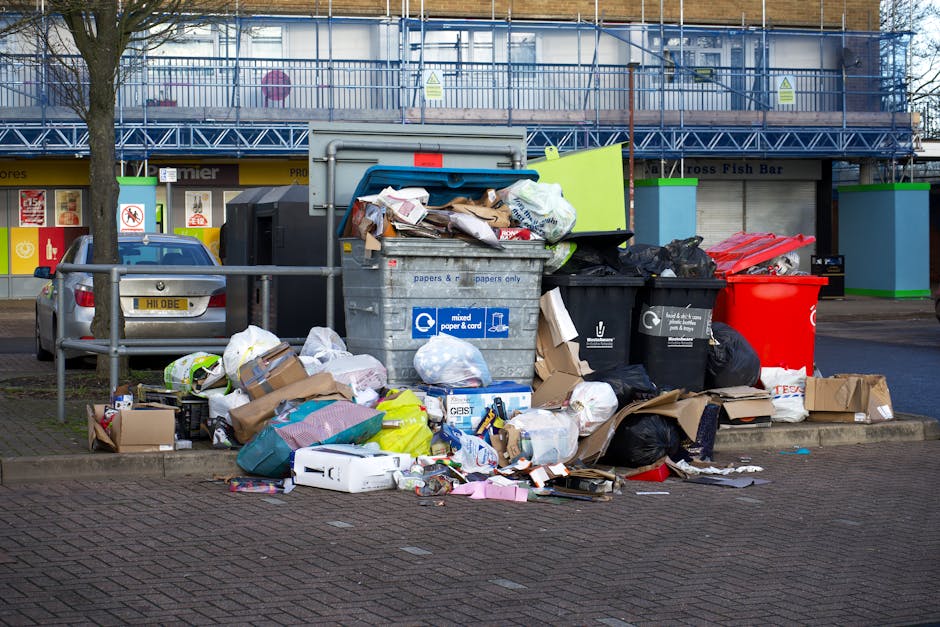
Commercial waste in Brentwood needs a service that handles day-to-day business rubbish with care, clarity and the right paperwork. We provide collection for a range of non-hazardous business waste streams, helping offices, shops, workshops and hospitality venues keep storage areas clear and disposal routines under control. The focus is on practical removal, sensible sorting and a straightforward route to a quotation, so you can plan the work without guesswork.
Our service is designed for regular and one-off collections alike, with options that can support mixed loads where suitable items need separating before disposal. We also deal with common bulky materials that often build up behind the scenes, from worn office furniture to packaging, and we can discuss specialised routes for items that require extra care. If you need to compare options first, start with the size and type of waste, then request a quotation based on what needs taking away.
For a clear starting point, use the pages on business waste removal and waste removal to match the service to your premises and the sort of load you have. When you are ready to discuss the job, you can also review pricing and quotes for a simple route into an enquiry. Tell us what needs clearing and when it must be done, and we can take the conversation from there.
Business waste collections and regular disposal
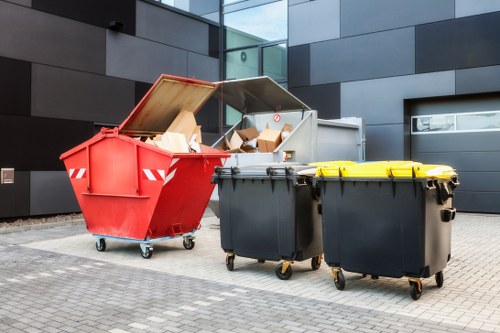
Many businesses need a collection routine that is dependable without being complicated. We handle business waste in a way that suits shops, offices, cafés, warehouses and other commercial premises where rubbish types can vary through the week. That may include bagged general waste, packaging, cardboard, redundant stock and lightweight fixtures, along with other non-hazardous materials that have reached the end of their use. The aim is to keep removal practical so it fits around trading hours and storage space.
Commercial waste often works best when the load is sorted before collection, especially if you want the correct treatment for recyclable materials. Cardboard, mixed packaging and office paper are commonly separated from residual waste, which helps the collection run more smoothly and makes it easier to discuss disposal arrangements. Where there are several waste streams on site, we can talk through what should be grouped together and what should be kept separate.
What to include in a business collection
Useful items to mention when asking for a quotation include the type of premises, the likely volume, whether access is straightforward, and whether the waste is packed in bags, boxes or loose piles. If you already know that certain materials need special handling, say so early. A concise description is enough to begin with; after that, you can refine the details if the load changes before collection day.
Office clearances and workplace furniture
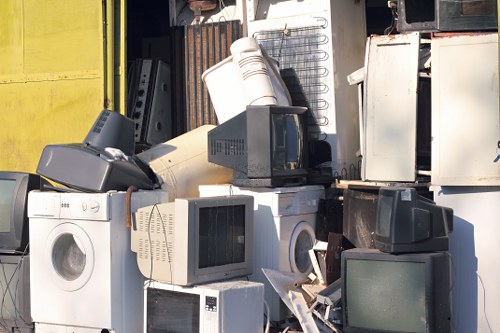
Offices often accumulate items that are too bulky for ordinary bins, yet not awkward enough to need a specialist project in their own right. We can help with desks, chairs, filing cabinets, shelving, small storage units and mixed office contents where a space needs to be cleared in stages. This is useful during refits, relocations, end-of-lease tidy-ups or routine decluttering of back rooms and storage cupboards.
Where office waste includes confidential material, shredded paper or archived documents, it helps to separate those items from general rubbish at the outset. The same applies to computer-related equipment, appliances and other items that may need a more careful disposal route. Office clearance information is useful if you are planning a larger internal move, while confidential shredding is relevant when sensitive paperwork needs attention alongside the clearance.
For heavier work surfaces, meeting tables and mixed fixtures, the collection plan may need a little more preparation than a simple bagged load. It is sensible to identify anything fixed, awkward to dismantle or likely to need two-person lifting so that the removal can be organised properly. If your workplace is being refreshed rather than emptied, partial clearances can often be arranged around the items you want to keep.
Bulky items, furniture and appliance disposal

Not all commercial waste is small enough to bag or box neatly. Larger items such as office sofas, reception seating, broken cabinets, shelving sections and redundant appliances need a service that can cope with size as well as volume. We handle a range of bulky disposals, making it easier to remove objects that take up valuable floor space and are awkward to store between collections.
Where business furniture is being replaced, it is often useful to consider the finish of the item, the material and whether it is still in reusable condition. Items that cannot be reused may be directed towards disposal routes instead, while some materials may be suited to recycling depending on their make-up. If you have a mix of furniture and general waste, we can discuss the simplest way to group the load so the collection remains efficient.
For specific bulky categories, the site pages on furniture disposal, fridge and appliance removal and mattress and sofa disposal provide a useful breakdown of the kinds of items commonly handled. These pages can help you decide whether your load is best treated as one mixed collection or several smaller groups. If in doubt, name the items and let the quotation reflect the exact make-up.
Clearance for storage rooms, garages and lofts
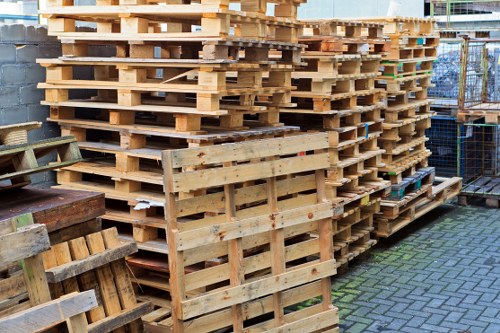
Some commercial premises use back-of-house storage areas in the same way a home would use a loft, garage or shed: as a place where spare stock, broken fixtures and seasonal items slowly build up. We can clear these kinds of spaces when they become crowded, helping you free up access and remove old materials in a structured way. This is especially helpful where the items are varied and you need more than a simple bin emptying.
Garage clearance, loft clearance and home clearance pages can be helpful references where the load resembles a mixed storage clear-out rather than a single waste stream. The important point is to describe the contents accurately: boards, packaging, broken tools, old displays, spare fittings and any other loose items that have accumulated. That way, the collection can be planned to suit the actual space and access.
If a storage area is awkward to reach, it is worth noting narrow stairs, low headroom, locked entrances or restricted parking as part of the enquiry. Those details do not need a long explanation, but they do help make the quotation more precise. A brief inventory is usually enough to begin with, and it can be adjusted if you discover more items after a tidy-up starts.
Recycling, sorting and responsible disposal
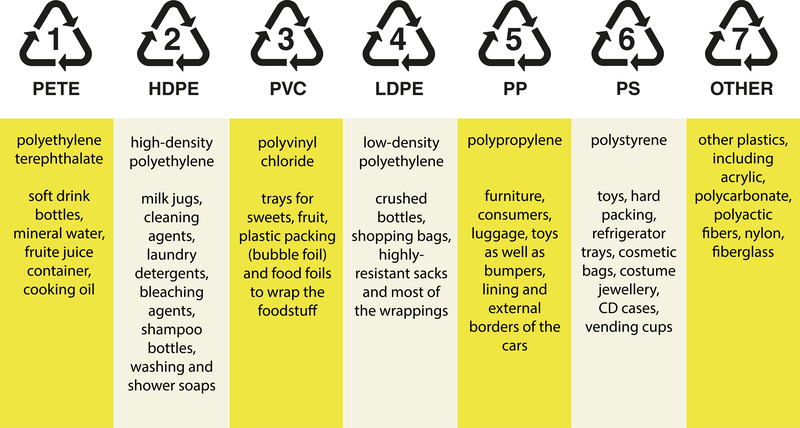
Commercial waste is rarely just one material, so sorting plays a large part in how the job is organised. Some items can be separated for recycling, while others must go through disposal channels that match their condition and composition. We handle collections with this in mind, keeping an eye on what can be grouped sensibly and what should be isolated to avoid contamination. That approach is useful whether you are disposing of mixed office waste or clearing a premises that has gathered several categories over time.
It is often worth checking whether cardboard, clean paper, metal fittings or certain plastics can be kept apart from residual rubbish. Doing so may make the collection easier to manage and can support a tidier handover. For businesses with regular output, a simple sorting routine can reduce the amount of time spent deciding what goes where each time the bin area fills up. If you need background reading, recycling and sustainability explains the general direction of responsible handling.
Good preparation is usually simple: separate obvious recyclables, keep sharp items secure, and avoid mixing wet waste with dry materials where possible. If you are unsure about a particular item, describe it rather than guessing. That is especially useful when the load includes mixed packaging, damaged furnishings or appliances that may need a different route from ordinary business rubbish.
Hazardous or unusual materials
Most commercial waste collections focus on everyday non-hazardous material, but some businesses also generate items that need a more cautious approach. Batteries, cleaning chemicals, fluorescent tubes, paint containers and similar materials can require specific handling or may not be suitable for the same route as standard office waste. If these items are present, they should be identified early so the collection can be arranged correctly and any limitations can be discussed clearly.
The page on hazardous waste disposal is the best place to start when your load includes anything unusual, damaged or potentially reactive. We do not recommend mixing uncertain materials with everyday rubbish, because that makes it harder to keep the removal safe and tidy. A short description of labels, container sizes and approximate quantity is often the most useful information for a quotation.
Where a mixed clearance includes both ordinary business rubbish and a few special items, the safest route is to separate them before collection if possible. That does not have to become a major task; in many cases, moving the sensitive materials into a distinct group is enough to make the next step clear. Accuracy matters more than volume when you are asking for the right disposal method.
How to prepare a quotation request
A good quotation starts with a useful description rather than a long explanation. Tell us what type of business waste you have, whether the load is bagged or loose, and whether the collection is for a single visit or part of an ongoing routine. If there are bulky items, stairs, narrow access or a need to work outside certain hours, include that as well. These practical points usually matter more than polished wording.
It also helps to note any time pressure, any items that should be kept separate, and whether the collection point is easy to reach from the vehicle. If you are comparing options, the page on pricing and quotes is a sensible place to begin because it supports a straightforward enquiry. For booking preferences, book online may be useful if you want to move quickly after the details are confirmed.
Once the main facts are clear, the rest is simply confirming what will be taken and when. Keep the enquiry focused on the waste itself, not on broad background detail, and the quotation can usually be prepared more accurately. If the load changes later, a short update is usually enough to refine the plan.
About Brentwood
Brentwood is a market town in Essex, positioned in the south-west of the county and linked to the wider London commuter belt by road and rail. Its town centre has developed around a historic high street pattern, with a mix of older buildings, shops and later commercial development giving the place a layered character. Brentwood’s location has long made it a point of movement as well as settlement, sitting near routes that connect the capital with towns further east. The town includes suburban streets, retail areas and open spaces, and its identity is shaped by both historic parish roots and modern expansion. Brentwood’s parish church, St Thomas of Canterbury, is one of the town’s most recognisable landmarks, while nearby roads and civic spaces reflect the gradual growth of a place that has adapted over centuries. The borough takes in surrounding districts such as Shenfield, Hutton and Warley, but Brentwood itself remains the central urban focus. Green spaces are an important part of the local landscape too, including parks, playing fields and wooded areas that sit alongside residential and commercial zones. The A12 and rail connections have helped make the town a practical base for travel, while the local economy includes retail, services and office activity. This blend of historic core, commuting links and everyday business use gives Brentwood a character that is both distinctly town-like and closely connected to the wider region.
In the centre, the arrangement of streets and buildings reflects a town that grew through different phases rather than a single planned layout. Older listed structures sit near later storefronts and offices, and that contrast is visible in the surviving architecture around the high street and adjoining lanes. Brentwood has also been shaped by leisure and cultural life, with venues, churches, schools and sports facilities contributing to its local rhythm. The surrounding Essex landscape remains present in nearby fields and green corridors, even as residential development has filled in many of the gaps between roads and neighbourhoods. For visitors and residents alike, the town is often understood through its mix of civic function, retail activity and the quieter residential edges that spread beyond the centre. That combination makes Brentwood recognisable as a place with both local independence and strong external connections.
Commercial waste support for changing premises
Businesses do not always need the same collection pattern for very long. A refurbishment, relocation, stock refresh or change in trading layout can all alter the type and amount of waste that appears on site. We can help with occasional clearances when the load becomes unusually heavy, and with repeat collections when a premises produces steady waste from daily activity. The service is intended to stay adaptable rather than forcing every customer into the same pattern.
When a project involves several stages, it can help to divide the waste into phases: what is coming out first, what will be removed later and what is staying in place. This is especially useful where office furniture, packing materials and general rubbish are all being dealt with at once. By separating those groups mentally before the collection, you make it easier to describe the job and avoid confusion on the day.
If the work includes multiple rooms or departments, a simple room-by-room list can be more helpful than a broad summary. That does not mean making the enquiry complicated; it just means giving enough structure for the load to be understood. For larger changes, a single quotation can still cover mixed waste, provided the items are clearly identified at the start.
Choosing the right waste route
Commercial waste is not always best handled in one way, even when it all leaves the same building. Some materials are best grouped with ordinary business rubbish, while others call for separate treatment because of their make-up, size or condition. Choosing the right route is mostly about being honest about what you have and deciding whether the job is a routine collection, a bulky-item removal or a more specific disposal task.
The pages on builders waste clearance, garden clearance and flat clearance can be useful if your load sits closer to a clearance project than a standard commercial bin emptying. Although each page covers a different context, they all help you think about the shape of the work, the type of material and the level of access involved. That makes it easier to choose the most suitable service rather than trying to force everything into one label.
Where your enquiry is still developing, it is usually better to describe the items broadly and ask how they should be grouped than to assume a category in advance. A short list is often enough: cardboard, broken chairs, shelving, packaging, appliance waste or mixed leftovers from a refurbishment. Clear naming leads to clearer pricing, because the collection can be matched more closely to the actual contents.
Practical details that help the collection run smoothly
There are a few simple details that can make a commercial waste collection easier to organise without turning the enquiry into paperwork. Access matters, especially if items have to be carried through shared corridors, down stairs or across busy loading areas. It also helps to know whether the waste is ready to move or still needs sorting into bags, boxes or separate piles. Those small points can affect how the job is planned.
If your premises has restricted entry times, security procedures or controlled parking, include that information in the request. Likewise, if the waste is scattered across several rooms rather than stacked in one place, it is worth saying so. None of this needs a long narrative; the useful part is the practical fact itself. For most customers, a few clear sentences provide more value than a lengthy explanation of the whole project.
For help with the business side of the job, the pages on contact us and about us are available as part of the site’s general information. If you are ready to move forward, send the waste details and ask for a quotation. That is often the quickest way to get the right service arranged without overcomplicating the process.
Waste removal for offices, shops and mixed sites
Many premises do not fit a single neat category. An office may also have stock, a shop may have packing waste and an industrial unit may keep a few old desks alongside recurring rubbish. We can handle mixed commercial loads where the contents are still straightforward enough to identify, even if they come from more than one part of the building. The important thing is to be honest about the mix so the disposal route can be planned sensibly.
When you are unsure which page best matches the job, start with the broadest accurate description and narrow it down from there. Commercial waste collections can often be shaped around the contents rather than the room name, which means the right service is usually the one that reflects the actual items. If you would like to see the full range of general information, business waste removal remains the clearest starting point for this type of work.
If you are ready to discuss the collection, make a note of the waste type, the likely amount and the access arrangements, then ask for a quote in plain terms. A clear enquiry makes it much easier to respond accurately, especially where bulky items or special handling are involved. Request your quotation when you are ready and we can take the next step from there.