Garden rubbish collection Brentwood railway station area: a practical guide to faster, cleaner outdoor clearance
If you are dealing with a pile of hedge cuttings, soil, ???ched branches, old turf, or that awkward mound of general green waste after a weekend tidy-up, garden rubbish collection in the Brentwood railway station area can feel like the quickest way to get your outdoor space back under control. It is not glamorous work, let's face it, but it matters. Messy garden waste attracts pests, blocks paths, and makes even a small patio look neglected. In a busy station-area setting, where access, parking, and timing can all be a bit tight, having a straightforward collection plan saves a lot of stress.
This guide explains what garden waste collection usually involves, how the process works, who it suits, what to avoid, and how to choose a sensible route for clearance. You will also find a practical checklist, a clear comparison of options, and a few real-world tips to make the whole job easier.
Expert summary: Garden clearance works best when you separate green waste from mixed rubbish, know what can and cannot be taken, and book a service that understands local access challenges. If you are clearing a small front garden or a larger back plot near the station, a well-planned collection is often faster and cleaner than trying to manage multiple trips yourself.
Table of Contents
- Why Garden rubbish collection Brentwood railway station area Matters
- How Garden rubbish collection Brentwood railway station area Works
- Key Benefits and Practical Advantages
- Who This Is For and When It Makes Sense
- Step-by-Step Guidance
- Expert Tips for Better Results
- Common Mistakes to Avoid
- Tools, Resources and Recommendations
- Law, Compliance, Standards, or Best Practice
- Options, Methods, or Comparison Table
- Case Study or Real-World Example
- Practical Checklist
- Conclusion
- Frequently Asked Questions
Why Garden rubbish collection Brentwood railway station area Matters
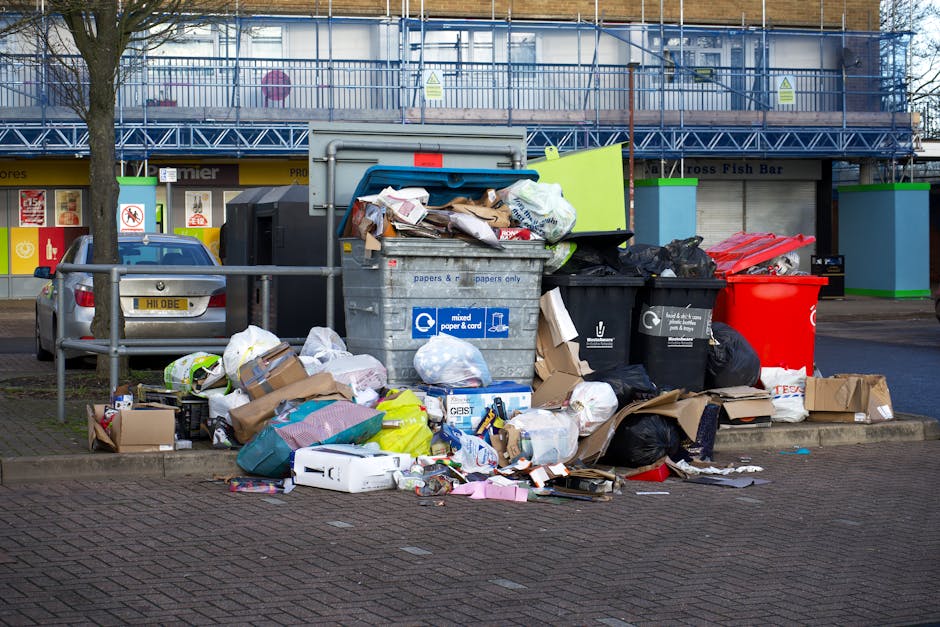
Garden rubbish collection is more than a tidy-up job. In a station area, outdoor waste can build up faster than you expect. One windy day and a stack of cuttings becomes scattered leaves across a drive, the pavement, or a neighbour's boundary. A half-finished landscaping project can sit there for days. To be fair, most people do not set out to leave it like that; life gets busy, the bags pile up, and suddenly the garden is the one thing everyone keeps stepping around.
It matters for three simple reasons: appearance, safety, and practicality. A cluttered garden is harder to use. A damp pile of grass and branches can smell unpleasant. Sharp clippings, broken pots, and concealed rubble can also create trip hazards, especially where narrow paths or side entrances are involved.
Near Brentwood railway station, timing can matter too. If you have restricted parking, commuter traffic, or a property that is awkward to access, getting waste removed in one planned visit is often far easier than making repeated trips to a recycling facility. That is especially true after bigger jobs like hedge reduction, seasonal pruning, or a full garden redesign.
There is also a visual benefit that people underestimate. A clear outdoor space changes how the whole property feels. You see the paving, the borders, the lawn. The job is not just about waste removal. It is about resetting the space so you can actually use it again.
How Garden rubbish collection Brentwood railway station area Works
The process is usually straightforward, but it helps to know what happens from start to finish. Most garden rubbish collections begin with an estimate of what you need removed. That might include grass cuttings, weeds, branches, hedge trimmings, old fence panels, broken planters, bagged leaves, or mixed outdoor debris. Some companies also handle heavier or awkward garden items, such as timber sleepers or dismantled sheds, though that may be treated differently from standard green waste.
Once the load is assessed, the collection is scheduled. For households and small commercial properties, this is often the part people appreciate most: no skip permit headaches, no long wait, and no need to wrestle waste into a skip at the kerb while trying to keep the street clear. A good collection service will arrive, load the waste, and leave the area swept up rather than half-finished. A small detail, but a useful one.
Here is the typical flow:
- You describe the waste and share a few details about access.
- The collection team confirms what can be taken and how it will be loaded.
- A time slot is arranged that works around your day.
- The waste is removed, sorted, and transported for appropriate disposal or recycling.
- The area is left as clean and usable as possible.
In practical terms, the biggest variables are volume, weight, and access. A neat stack of hedge cuttings in the front garden is one thing. Wet soil, tangled roots, and broken pots mixed together is another. Mixed loads take a bit more care because they need separating and handling differently.
If you are already planning a wider property clear-out, it can make sense to combine garden work with other clearance needs. For example, a house with clutter in the garage and a back garden overrun with trimmings may be better handled as part of a broader house clearance or home clearance rather than booking several separate jobs.
Key Benefits and Practical Advantages
The main benefit is simple: you get your outdoor space back without spending a whole weekend hauling bags about. But there are a few less obvious advantages too.
- Speed: A booked collection is usually faster than arranging multiple DIY journeys.
- Less disruption: You do not need to keep a skip outside longer than necessary.
- Cleaner finish: A proper collection should include loading and removal, not just leaving you with the hardest bit.
- Better sorting: Green waste, mixed waste, and reusable materials can be handled more appropriately.
- Safer site conditions: Removing loose branches, sharp debris, and slippery cuttings reduces accidents.
There is also a mental benefit, which sounds a bit soft until you have lived with a messy garden for a few weeks. A clean outdoor area feels lighter. You open the back door and breathe out. That is not a technical measure, but it is real.
For landlords, letting agents, and busy homeowners, there is another practical gain: presentation. If a garden is being prepared for new tenants, a sale viewing, or a family gathering, waste removal can make the whole property look cared for very quickly. A patchy lawn with one pile of hedge waste in the corner can drag the whole scene down. Remove that pile, and the space suddenly reads differently.
If the job includes bulky outdoor items or mixed household contents, it may help to look at related services such as garden clearance, garage clearance, or even flat clearance where the property is being emptied in stages.
Who This Is For and When It Makes Sense
This kind of collection suits a wide range of people. You might be a homeowner who has just cut back a hedge. You might be a landlord getting a property ready between tenancies. You might manage a small commercial site with planting beds and external maintenance waste. It can also be a good fit for people who simply do not want to overload their car with muddy bags and thorny branches. Honestly, that last point is enough on its own for many people.
It makes sense when:
- the waste volume is too large for normal bins;
- you have mixed garden debris and household rubbish;
- you need the waste removed quickly;
- you do not have space for a skip;
- the access is awkward or on-street parking is limited;
- you are preparing for landscaping, selling, or renting the property;
- the waste is heavy, wet, or difficult to transport safely yourself.
It may be particularly useful in the Brentwood railway station area because the local rhythm of movement matters. Morning and evening traffic, commuters, and tighter roadside spaces can make DIY disposal a nuisance. If a collection can be timed to reduce congestion around your property, that is one less thing to juggle.
If the garden project is part of a wider refurbishment, you may also find related services helpful, such as builders waste clearance for hard landscaping debris or waste removal for mixed loads that are not purely green waste.
Step-by-Step Guidance
If you want to make the process smooth, a little preparation goes a long way. Here is the sequence we would recommend in most cases.
- Separate the waste. Put grass, leaves, hedge cuttings, branches, soil, and mixed rubbish into rough categories. You do not need museum-level precision, just enough to stop everything becoming one heavy heap.
- Check access. Measure narrow gates, note steps, and think about where a vehicle can stop. If there is limited street space near your property, mention it early.
- Remove obvious non-garden items. Things like paint tins, old chemicals, or electrical items should not be tossed into a green waste pile. Keep them aside.
- Bundle awkward materials. Long branches, canes, trellis, and fence slats are easier to handle when tied or stacked neatly.
- Ask what is included. Confirm whether soil, turf, plant pots, and timber will be taken. This avoids awkward surprises on the day.
- Book a suitable slot. Early planning helps if the work needs to happen before a move, a garden party, or a landscaping delivery.
- Clear the route. Move cars, bins, bikes, and toys out of the way so loading is quicker and safer.
- Do a final sweep. After collection, check for screws, broken glass, or stray cuttings near the borders and path edges.
That final sweep sounds minor, but it really helps. Tiny debris is what people notice barefoot, or when the rain has made everything slick. Not ideal.
Expert Tips for Better Results
There are a few habits that make garden rubbish collection much easier and often a bit cheaper in practice, because the job can be completed more efficiently.
Keep green waste as dry as possible. Wet grass and soggy leaves weigh more than they look. If you can let cuttings drain for a while, the load may be easier to handle.
Do not overfill bags. Heavy bags split, and split bags slow everything down. Bags that are firm but liftable are the sweet spot.
Stack branches with the cut ends aligned. It sounds fussy, but it helps a lot when loading. The difference is surprising.
Separate soil from foliage if you can. Soil is dense and behaves differently from green waste. Mixed piles can turn into a muddy headache very quickly.
Book around weather if possible. A dry day is easier for access, and the garden stays cleaner during removal.
Be realistic about volume. A pile that looks small from the kitchen window can be much bigger when gathered properly. You know how that goes.
One more thing: if you are also getting rid of old outdoor furniture, broken seating, or worn loungers, it may be worth checking whether furniture disposal or furniture clearance is the better fit alongside the garden collection. It can save time if everything is removed together.
Common Mistakes to Avoid
Most problems are avoidable, and the same few mistakes tend to come up again and again.
- Mixing prohibited items with garden waste. Paint, chemicals, gas canisters, and unknown containers should not be hidden in a green pile.
- Assuming all waste is treated the same. Green waste, timber, rubble, soil, and general rubbish may be handled differently.
- Underestimating access issues. A narrow alley, steps, or limited parking can add time if it is not planned for.
- Leaving waste loose across the garden. Loose cuttings are harder to collect than stacks or bagged material.
- Forgetting the weather. Rain can make a relatively light load become very heavy and messy.
- Booking too late. If you need the space cleared before a sale, event, or landscaping job, last-minute arrangements can create unnecessary pressure.
A common one, too, is people thinking they need to sort everything perfectly before asking for help. You do not. A decent service should be able to advise on the load and help you understand what can go together. Just be honest about what is there. It makes the whole thing easier.
Tools, Resources and Recommendations
You do not need specialist equipment for a small garden clear-up, but a few basics help if you are preparing the site yourself.
- Heavy-duty rubble sacks or garden waste bags for leaves, cuttings, and smaller debris
- Work gloves for thorns, splinters, and rough timber
- Secateurs or loppers to trim bulky branches down to manageable lengths
- Tarpaulin or sheet to gather waste into one place without scattering it over the lawn
- A broom or leaf rake for the final tidy-up
- Twine or straps for bundling long branches and canes
If your garden waste is part of a larger clear-out, a broader property service can be useful. Some customers compare a one-off collection with a more complete waste removal visit or pair garden work with garage clearance to deal with old tools, pots, and storage clutter at the same time.
For people who want a more sustainable approach, it is worth asking how the waste is sorted and whether reusable or recyclable material is separated where appropriate. The site's recycling and sustainability information is a sensible place to start if you want your clearance handled with waste reduction in mind.
Law, Compliance, Standards, or Best Practice
Garden waste in the UK should be handled carefully, especially where mixed materials, soil, or potentially contaminated items are involved. You do not need to become a legal expert just to clear a garden, but a few basics matter.
First, householders and businesses both have a responsibility to ensure waste is passed to a legitimate carrier and disposed of properly. If you are using a third party, it is sensible to ask how the waste will be handled and what happens to different waste streams. That is not over-cautious. It is just sensible.
Second, certain items do not belong in garden waste. Treat unknown chemicals, asbestos-containing materials, oil, batteries, gas containers, and electrical items as separate and potentially hazardous. If a collection includes anything that might be classed as hazardous, it needs the right handling route. For those situations, hazardous waste disposal is the safer reference point.
Third, if your garden project is linked to a refurbishment or structural work, be careful not to mix general green waste with construction waste by default. Mixed loads can affect disposal routes. A service such as builders waste clearance may be more suitable for rubble, tiles, timber offcuts, and hard landscaping debris.
Best practice is simple: keep waste types separate where you can, describe the load accurately, and make sure the collection provider is clear about what it will and will not take. That protects you as much as anyone else.
Options, Methods, or Comparison Table
There are usually three ways people deal with garden rubbish. Each has its place. The best choice depends on the amount of waste, your access, and how quickly you need the space cleared.
| Method | Best for | Pros | Drawbacks |
|---|---|---|---|
| DIY trips to a disposal site | Very small loads | Can be flexible if you already have transport | Time-consuming, messy, and tiring; multiple trips may be needed |
| Skip hire | Bigger clearances with enough space outside | Useful for ongoing projects and mixed loads | Needs space, may require planning, and can feel like overkill for a small job |
| Direct collection service | Medium to large garden waste or awkward access | Fast, convenient, no need to load a skip yourself | Depends on accurate description of the waste and access conditions |
For many gardens near the Brentwood railway station area, direct collection is the practical middle ground. It avoids the fuss of skip placement and still handles a decent volume in one go. If you are unsure how much waste you have, a photo-based estimate can be a sensible first step. Not fancy. Just effective.
If you want to understand what usually belongs in a skip and what does not, the page on what can go in a skip is a useful companion resource, especially when you are deciding between a skip and collection.
Case Study or Real-World Example
Here is a simple example from a typical local scenario. A homeowner near the station spent a Saturday cutting back a mature hedge, pulling weeds from a side border, and lifting some old turf from a narrow patch at the rear. By the end of the afternoon, there were several bags of green waste, a bundle of thick branches, and a couple of broken terracotta pots sitting beside the fence. The garden looked better already, but the waste had become the main obstacle.
Rather than trying to squeeze everything into a car boot over two or three journeys, they arranged a collection for the next available slot. The waste was grouped by type, the path was kept clear, and the team removed it in one visit. The garden felt usable again by evening. No drama, no repeated loading, no muddy seats in the car. A small victory, but a satisfying one.
What made the difference was preparation. The waste had been stacked sensibly, the access point was explained in advance, and the heavier items were identified before arrival. That reduced delays and made the whole job smoother. Simple stuff, really, but it saves time.
Practical Checklist
Use this checklist before booking or carrying out a garden rubbish collection:
- Separate green waste from mixed rubbish.
- Keep hazardous items out of the pile.
- Check whether soil, turf, branches, and timber are included.
- Measure gates, steps, and narrow access points.
- Move cars, bins, and garden furniture out of the route.
- Bundle long branches or canes where possible.
- Use sturdy bags and avoid overfilling them.
- Take a few photos if you need to explain the load clearly.
- Confirm the collection time and any parking considerations.
- Do a final sweep after removal so no sharp debris is left behind.
Quick takeaway: The cleaner the waste is sorted, the quicker the collection usually goes. That's the heart of it.
Conclusion
Garden rubbish collection in the Brentwood railway station area is really about making a practical problem simple again. If you have a messy pile of cuttings, branches, soil, or mixed garden debris, the right approach saves you time, reduces stress, and restores the use of your outdoor space. It also helps when access is tight or when the waste needs to be removed in one efficient visit rather than spread over a weekend of lifting and loading.
The best results come from a bit of preparation, honest description of the waste, and choosing the method that fits your space rather than the method that sounds cheapest on paper. Sometimes the cheaper option is the one that costs you half a day and a sore back. Truth be told, that is not always a bargain.
If your garden work is part of a bigger clear-out, or you want a cleaner, easier way to deal with mixed waste, it is worth looking at the related services and planning the job properly from the start. A tidy garden changes how a property feels, and that is no small thing.
Get a free quote today and see how much you can save.
If you are ready to take the next step, start with the service details, review the pricing and quotes guidance, and choose a time that fits around your day. A clear garden has a way of making everything else feel lighter.
Frequently Asked Questions
What does garden rubbish collection usually include?
It usually includes green waste such as grass cuttings, weeds, leaves, hedge trimmings, branches, and some mixed outdoor debris. Depending on the load, it may also include old pots, broken fencing, and other garden-related items. The key is to describe the waste clearly so there are no surprises.
Can soil and turf be collected with garden waste?
Sometimes, yes, but soil and turf are heavier than typical green waste and may be treated differently. It is best to mention them up front so the collection can be planned properly. A mixed pile of soil and foliage is a very different job from a bag of hedge cuttings.
Do I need a skip for a garden clearance near Brentwood railway station?
Not always. If access is tight, parking is limited, or the amount of waste is moderate, a direct collection is often simpler. A skip can still work well for larger ongoing projects, but many people prefer collection because it avoids extra handling and space issues.
How should I prepare my garden rubbish before collection?
Separate waste into rough categories, use strong bags, bundle branches, and keep hazardous items out. If possible, clear a path for easy loading. A little organisation makes the visit smoother and often quicker.
Can broken garden furniture be taken too?
Often yes, but it may be handled as furniture or mixed waste rather than green waste. If you have chairs, tables, or loungers that have had their day, related options like furniture disposal can be relevant alongside garden rubbish collection.
What should I not put in a garden waste pile?
Do not mix in paint, oils, chemicals, batteries, gas containers, electrical items, or unknown containers. Those require separate handling. If you are unsure about an item, keep it aside and ask before collection.
Is garden rubbish collection suitable for landlords and letting agents?
Yes, very much so. It is a practical option for end-of-tenancy refreshes, void property preparation, and outdoor tidy-ups between occupants. It can help a property look cared for quickly, which matters when time is tight.
How quickly can garden waste be removed?
That depends on availability, volume, and access. Small jobs can often be turned around quickly, while larger or mixed loads may need a more detailed booking. If timing matters, mention it early and keep the waste accessible.
What happens to the waste after it is collected?
It is normally transported for sorting, recycling, or disposal depending on the material type. Green waste may be handled differently from timber, soil, or mixed rubbish. If sustainability is important to you, ask how the waste stream is managed and review the site's recycling and sustainability information.
Can I combine garden rubbish collection with a house or garage clearance?
Yes, and that is often sensible. If you have outdoor waste plus clutter from sheds, garages, or living areas, combining them can save time and reduce multiple visits. Related services such as garage clearance and house clearance can help when the job is bigger than a simple garden tidy-up.
Is there anything I should check before booking?
Check the type of waste, the rough volume, access points, and whether any items could be classed as hazardous. It is also wise to confirm parking considerations and whether the collection team needs to bring any extra equipment. A five-minute review now can prevent a messy scramble later.
What if I only have a small amount of garden rubbish?
If the amount is tiny, you may not need a full clearance. Still, if the waste is awkward, muddy, or too heavy for your bin, a small collection can be worth it. Sometimes one neat removal is easier than three improvised trips in the car. And less hassle, which counts for a lot.