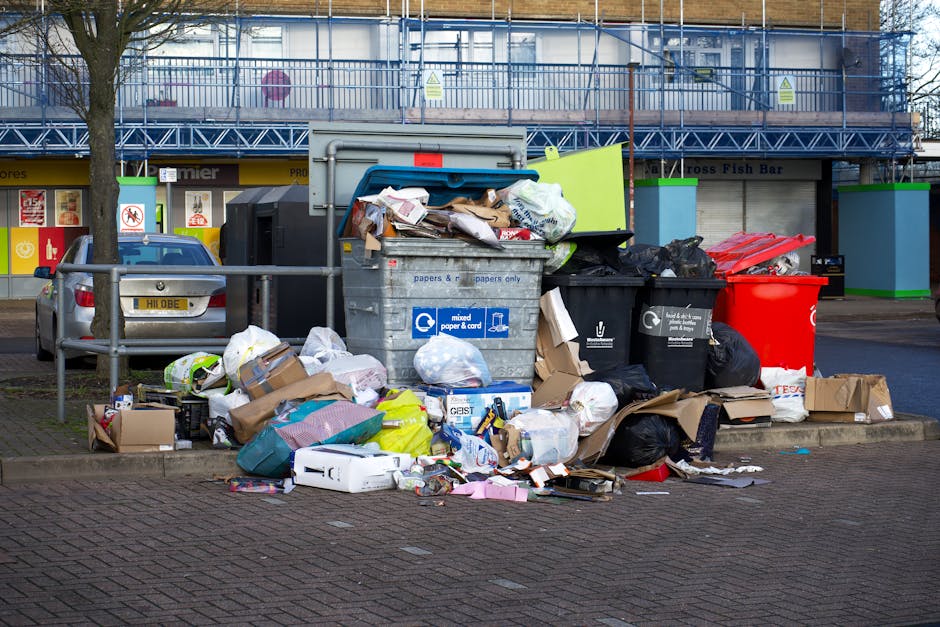
Rubbish removal options for Hutton estate homes
If you live in one of Hutton's estate homes, rubbish has a habit of building up in the places you least want it: the side return, the shed, the loft, the spare bedroom, or that awkward corner in the garage where things go to quietly disappear. The good news is that there are several sensible rubbish removal options for Hutton estate homes, and the right one usually depends on how much you need to clear, how fast you need it gone, and whether the waste includes bulky items, garden debris, or a bit of mixed household clutter.
This guide walks through the most practical choices, what each one suits best, and how to avoid the common mistakes that make a simple clearance turn into an irritating weekend job. Let's keep it straightforward, useful, and local to the sort of day-to-day realities estate homeowners actually deal with.
For a broader look at service standards and company values, you may also want to review the team's about us page and the main waste removal service overview.
Table of Contents
- Why rubbish removal matters for Hutton estate homes
- How the process works
- Key benefits and practical advantages
- Who this is for and when it makes sense
- Step-by-step guidance
- Expert tips for better results
- Common mistakes to avoid
- Tools, resources and recommendations
- Law, compliance, standards and best practice
- Options, methods and comparison table
- Case study or real-world example
- Practical checklist
- Conclusion
- Frequently asked questions
Why Rubbish removal options for Hutton estate homes Matters
Estate homes in Hutton often come with a familiar set of space challenges. The garden may be compact. The driveway may be shared or narrow. Access to rear bins can be awkward. And if you are clearing a family home, renovating a room, or just finally sorting the "we'll deal with that later" pile, waste can quickly become more than a cosmetic issue. It blocks access, creates trip hazards, attracts pests, and, to be fair, lowers the sense of calm in a home that's already busy.
Choosing the right removal method matters because not every job needs the same approach. A few bags of general junk are very different from a full garage clearance or a mix of old furniture, broken appliances, and leftover DIY material. You do not want to pay for more capacity than you need, but you also do not want to underestimate the volume and end up with half the job still sitting there by Sunday night.
There is also the local practical side. On many estate streets, access and parking can be tight, so method matters as much as cost. A service that loads waste for you may be easier than arranging repeated trips in a car that fills up after three boxes and a plant pot. Truth be told, many people only realise this after they have already started lifting.
Expert summary: For Hutton estate homes, the best rubbish removal option is usually the one that matches your access, waste type, and timescale rather than the one that looks cheapest on paper.
If you are dealing with mixed items from around the property, a broader home clearance service can be a better fit than trying to organise several separate solutions.
How Rubbish removal options for Hutton estate homes Works
In simple terms, rubbish removal works by matching the waste to the most suitable collection method. You gather the items, decide what needs to go, and choose whether you want a container, a skip, or a man-and-van style collection where the team does the lifting and loading.
For estate homes, the process usually starts with access. Can a vehicle park nearby? Is there space for a skip, and if so, is it likely to sit on private land or a public road? Are there stairs, tight hallways, or shared paths to think about? These details matter, because they influence the cost, speed, and convenience of the service.
Here is the typical flow:
- You list the rubbish types and estimate the volume.
- You check whether any items need specialist handling, such as fridges, mattresses, or hazardous materials.
- You choose the service style that suits your property and schedule.
- The waste is collected, loaded, and taken away for sorting, recycling, or disposal.
- You keep the paperwork or confirmation if required, especially for regulated waste or business-related items.
If you are unsure what can be placed together, the guide on what can go in a skip is useful as a general reference point, even if you do not end up using a skip at all.
A useful habit is to sort waste into broad piles before any collection day: general household rubbish, reusable items, bulky furniture, garden waste, and anything potentially restricted. That small bit of preparation makes the whole job feel less chaotic. And yes, it saves time. A lot of time, sometimes.
Key Benefits and Practical Advantages
The main benefit is obvious: you get your space back. But the real value goes further than that. Clearing waste properly can improve safety, reduce stress, and make it easier to use the home the way it was meant to be used. A clear hallway is a nicer hallway. Simple as that.
- Less stress: Fewer piles, fewer decisions hanging over you, fewer things getting moved from room to room.
- Better access: Useful in estate homes where storage is limited and every metre counts.
- Safer movement: Less clutter means fewer trips, slips, and bruised shins on awkward corners.
- Cleaner finish: A proper clearance is usually tidier than trying to manage waste in stages.
- Better recycling outcomes: A professional service can separate materials more effectively than mixed household disposal.
- Convenience: You avoid multiple car journeys, lifting heavy items, and the general faff of doing it all yourself.
There is also a quiet emotional benefit. People underestimate this. A cleared loft or garage can make the whole house feel lighter, almost like you can breathe a bit easier when you walk in. You notice it especially on grey afternoons when the place is tidy and the light falls cleanly across the floor.
For larger household jobs, especially when rooms or storage areas are being emptied, a dedicated house clearance or loft clearance may be more efficient than trying to coordinate disposal in several rounds.
Who This Is For and When It Makes Sense
This topic matters to a wide range of people, not just those doing a full move-out. In Hutton estate homes, rubbish removal is often needed in ordinary life moments rather than dramatic ones.
- Homeowners clearing years of stored items from a garage, loft, or shed
- Families dealing with old furniture after a room redecoration
- People preparing a property for sale or rent
- Households dealing with garden cuttings after seasonal work
- Anyone replacing bulky items like mattresses, sofas, or appliances
- Residents who simply do not have a practical way to transport large loads themselves
It also makes sense when waste is a mix of ordinary and awkward items. For example, a broken wardrobe, a cracked chest of drawers, a handful of cardboard boxes, and a few bags of general clutter are not the kind of load most people want to push into a boot in five separate trips. That is exactly where a coordinated clearance option earns its keep.
And if your project is more room-by-room than one-off, services like furniture disposal or furniture clearance can be a neat fit, especially when bulky items are the main headache.
Step-by-Step Guidance
If you want a smoother experience, a bit of structure helps. Here's a practical sequence that works well for most estate-home clearances.
- Walk through the property slowly. Start with the obvious places: loft, garage, spare room, under-stair cupboard, shed, and garden edge. Make one list, not three half-lists on different bits of paper.
- Separate by waste type. Keep furniture, bagged rubbish, garden waste, DIY debris, and anything special apart where possible.
- Decide what needs specialist handling. Fridges, freezers, electrical appliances, and some materials may need separate collection or treatment. Do not assume everything can just be stacked together.
- Check access. Measure doorways, note stair access, and think about vehicle parking. If there is a narrow path or shared driveway, say so early.
- Choose the right disposal option. A skip suits certain jobs. A clearance service suits others. Mixed waste and awkward lifting often push the decision towards a managed collection.
- Prepare the items. Bag loose rubbish, flatten cardboard, and make sure you are not throwing in items that should be reused, donated, or handled separately.
- Book the collection. If timing matters, be clear about when you need the work completed. End of the week jobs are common, naturally, but not always the calmest.
- Confirm disposal expectations. Ask how the waste will be handled, whether recycling is part of the process, and whether any documents are provided if needed.
If your job involves building debris from home improvement work, you may also find the builders waste clearance service relevant, especially after a kitchen, bathroom, or garden project.
Expert Tips for Better Results
Small decisions make a big difference. In our experience, the people who get the cleanest, fastest result are usually the ones who do a little prep before collection day rather than leaving everything until the last minute.
- Sort before you call. Even rough sorting helps identify whether you need a simple load-away or a more specialist service.
- Keep a clear path. Hallways, side gates, and driveway access matter more than people expect.
- Place heavier items near the exit. It reduces carrying time and avoids dragging furniture across floors.
- Do one room at a time. It is easier to stay sane, honestly.
- Photograph awkward loads. A few pictures help explain the job clearly if you are getting a quote.
- Ask about recycling. Even if you are not chasing a perfect eco score, it is good to know what happens next.
There is also a subtle timing trick. If you are clearing a room before decorating, book the collection before the paint tins and new furniture arrive. Once the new stuff is in, old rubbish has a nasty habit of lingering. It becomes "temporarily" stored, which is a dangerous phrase in home organisation.
For households with lots of soft furnishings, the specialist pages for mattress and sofa disposal and broader furniture clearance can help you narrow the best route.
Common Mistakes to Avoid
Most problems with rubbish removal are avoidable. They usually come down to poor planning, not bad luck.
- Underestimating volume: That "small pile" can become a full-load job once it is gathered properly.
- Mixing restricted items in with general waste: This can delay collection or create extra cost.
- Ignoring access issues: Tight streets, low branches, narrow gates, and parking restrictions can all matter.
- Leaving sorting until collection day: It slows everything down and can make the job more expensive than it needs to be.
- Using the wrong disposal route for bulky items: Fridges, appliances, and mattresses often need more care than regular rubbish.
- Forgetting paperwork or permissions: More relevant for certain types of waste, but worth checking in advance.
Another easy mistake is focusing only on price. Cheapest is not always best if the service does not suit your property. A slightly better-fitted option can actually save money once you factor in time, lifting, and the risk of a second collection. Nobody wants that surprise.
Tools, Resources and Recommendations
You do not need fancy tools for a standard clearance, but a few simple things help a lot.
- Heavy-duty bin bags for loose waste
- Gloves for handling dusty or sharp items
- Tape or string for bundling small items
- A torch for lofts, garages, and garden corners
- Labels or sticky notes for "keep", "donate", "remove", and "unsure" piles
- A tape measure for doors, stairwells, and access points
If your clearance includes confidential paperwork, do not just dump it with general rubbish. A dedicated confidential shredding service is the safer route for sensitive documents, and it helps reduce the risk of information being mishandled.
For households that care about waste handling standards, the recycling and sustainability page is worth a look. It gives you a sense of how materials can be managed with less waste going to landfill where recycling is possible. That matters. It really does.
If you want to understand pricing structure before booking, the pricing and quotes page is the most relevant place to start.
Law, Compliance, Standards, or Best Practice
Rubbish removal is not just a practical job; it can also touch on legal and environmental responsibilities. In the UK, householders and businesses should be careful about using reputable collectors, keeping waste with the right carrier, and making sure special waste streams are handled appropriately. You do not need to become a compliance expert, but you should expect a professional service to work responsibly and to separate waste where possible.
For estate homes, the practical best practice is simple:
- Do not leave waste where it blocks access or creates a hazard.
- Keep any hazardous or specialist items separate until you know the correct route.
- Use a service that can explain how waste is handled.
- Check safety and insurance details if the job involves lifting heavy or awkward items.
- Keep records where they are useful, especially for business or mixed-use properties.
If you are arranging a heavier or more complex clearance, the pages on health and safety policy and insurance and safety are useful indicators of how a provider thinks about risk and responsibility. That kind of transparency is a good sign, and frankly it should be standard.
For items that need separate disposal, such as appliances, a specialist route like fridge and appliance removal is usually the safer and more sensible choice.
Options, Methods, or Comparison Table
There is no single best rubbish removal method for every Hutton estate home. The right choice depends on access, volume, waste type, and how much lifting you want to do yourself.
| Option | Best for | Pros | Things to watch |
|---|---|---|---|
| Skip hire | Steady DIY clear-outs, renovation waste, mixed loads | Flexible for ongoing work, useful for bigger volumes | Needs space, may require permits, loading is on you |
| Man-and-van style clearance | Bulky household rubbish, furniture, quick one-off jobs | Fast, hands-off, good for awkward lifting | Needs clear access and may cost more for very large mixed loads |
| Specialist item removal | Mattresses, sofas, fridges, appliances | Proper handling for tricky items | Not ideal as the only solution for broad household clutter |
| Room-by-room home clearance | Lofts, garages, whole-home decluttering | Structured, thorough, less stressful | Needs a clear brief and can take longer to plan |
| DIY disposal runs | Very small amounts of waste | Low cost if you already have transport | Time-consuming, physically awkward, easy to underestimate volume |
For some estate homes, the simplest option is still a proper waste removal service. For others, especially if you are doing a phased renovation, a skip may be the more practical choice. If you want to compare what fits your load, the skip guidance is a helpful reference point.
One small but useful rule of thumb: if the job is mostly lifting and moving furniture, choose a service that includes loading. If the job is mostly rubble or ongoing DIY waste, a skip may make more sense. That's the short version, anyway.
Case Study or Real-World Example
A typical Hutton estate-home scenario goes like this. A family decides to refresh a spare room that has quietly become a storage room. There are two old bedside cabinets, a broken desk, a mattress, several bags of mixed clutter, and a few cardboard boxes full of things nobody remembers packing in the first place. The loft also has a few extra items, because lofts, let's face it, are where decisions go to wait.
They begin by sorting the load into furniture, soft items, cardboard, and general rubbish. They measure the front path and check whether a vehicle can stop safely nearby. Then they choose a managed clearance rather than trying to do repeated runs themselves. That saves the family time, reduces lifting, and clears the room in one go rather than spreading the mess over a week.
What made the difference was not just the removal itself. It was the planning. The items were grouped before collection, the access was clear, and the household had already decided which items were keep, donate, and remove. The whole thing felt calm rather than frantic. Not glamorous, sure, but very effective.
Practical Checklist
Use this before you book or begin any clearance work.
- List every area that needs attention: loft, garage, shed, garden, bedroom, hallway.
- Sort items into general rubbish, bulky furniture, garden waste, appliances, and special items.
- Check whether anything needs separate handling, such as fridges or confidential documents.
- Measure access routes and note parking or gate restrictions.
- Decide whether you want to do the lifting yourself or have it handled for you.
- Ask how waste will be sorted, reused, or recycled where possible.
- Confirm timings, collection day, and any preparation required.
- Review provider information on safety, payment, and service terms if relevant.
- Clear a path from the waste area to the exit.
- Keep a note of what has been removed, especially for bigger clear-outs.
If you are also dealing with awkward garage overflow, the garage clearance page may be a practical next stop. Garden waste? The garden clearance service is the closer match.
Conclusion
Rubbish removal options for Hutton estate homes are more flexible than they first appear. For small, simple clear-outs, DIY disposal may be enough. For bulky furniture, mixed household clutter, or jobs with awkward access, a managed collection is usually the calmer and more efficient choice. And for larger or more structured projects, a room-by-room clearance or skip solution can make all the difference.
The main thing is to match the method to the reality of the job, not the idea of the job. That one decision saves time, money, and a lot of unnecessary lifting. In the end, a clear home feels better to live in. There is no magic there, just good planning and the right help.
Get a free quote today and see how much you can save.
If you are ready to take the next step, you can book online when the timing suits you, or use the contact us page to ask about the best option for your property. A quick conversation now can save a much longer tidy-up later, which is usually a win.
Frequently Asked Questions
What are the main rubbish removal options for Hutton estate homes?
The main options are skip hire, managed waste removal, specialist item disposal, and small-scale DIY trips. The best choice depends on access, waste type, and how much lifting you want to do yourself.
Is a skip better than a clearance service for an estate home?
Not always. A skip is useful for ongoing DIY waste or larger loads, but a clearance service is often easier if you have bulky items, tight access, or limited time.
Can I get rid of furniture from a Hutton estate home in one visit?
Yes, in many cases. A furniture clearance or furniture disposal service is designed for sofas, wardrobes, tables, and similar bulky items.
What if I have a mix of rubbish, old furniture, and garden waste?
A mixed-load waste removal service is usually the most practical option. It lets you clear several waste types in one go rather than splitting the job into separate trips.
Do I need to sort everything before collection?
You do not need a perfect system, but basic sorting helps. Group items roughly by type so the collection is quicker and any specialist waste can be identified early.
How do I know if something needs special disposal?
Fridges, some appliances, hazardous items, and confidential paperwork are the common examples. If you are unsure, ask before collection rather than guessing.
What should I do with a mattress or sofa?
Those are best handled through a dedicated mattress and sofa disposal service, especially if you want the item removed safely and without hassle.
Are Hutton estate homes usually suitable for skip hire?
Sometimes, yes, but access and parking are the deciding factors. If a skip would block a driveway, street, or shared access, a collected clearance can be easier.
How can I keep waste removal costs under control?
Sort items first, be honest about volume, and choose the method that fits the job. Overestimating can waste money, but underestimating usually costs more later.
Is recycling part of rubbish removal?
It can be. A good provider should sort materials where possible and handle waste with recycling and sustainability in mind.
Can I include old appliances in general rubbish?
Usually not. Appliances often need separate handling, so a fridge and appliance removal service is the safer route.
What is the easiest option if I do not want to lift anything heavy?
A managed clearance service is usually the easiest. The team collects, loads, and removes the waste, which is especially helpful for bulky or awkward items.